Boma Health Initiative is transforming the health landscape of Pigi County, South Sudan—one boma at a time.

Background

In 2016 Republic of South Sudan Ministry of Health launched Boma Health Initiative (BHI) to integrate community health structures into the national health system and harmonize fragmented NGO efforts.

Its core objectives were: To embed community health structures as a standard within the public health system. Enhance access to quality health promotion, disease prevention, and select curative services through community engagement and Provide leadership and oversight via inter-sectoral coordination and genuine community participation.

BHI is part of the decentralized health system, integrating with Payam (sub‑county), County, and State levels. Despite all the challenges facing Pigi County such as armed conflict, flooding and disease outbreak, delivery of primary health care services has been on going. Community Social and Economic Development Agency (COSEDA) under the Health Sector Transformation Project in collaboration with Pigi County Health Department and Jonglei State Ministry of health, on 9th June 2025 kick started initial training of the 20 newly recruited Boma Health Care workers for Pigi County.
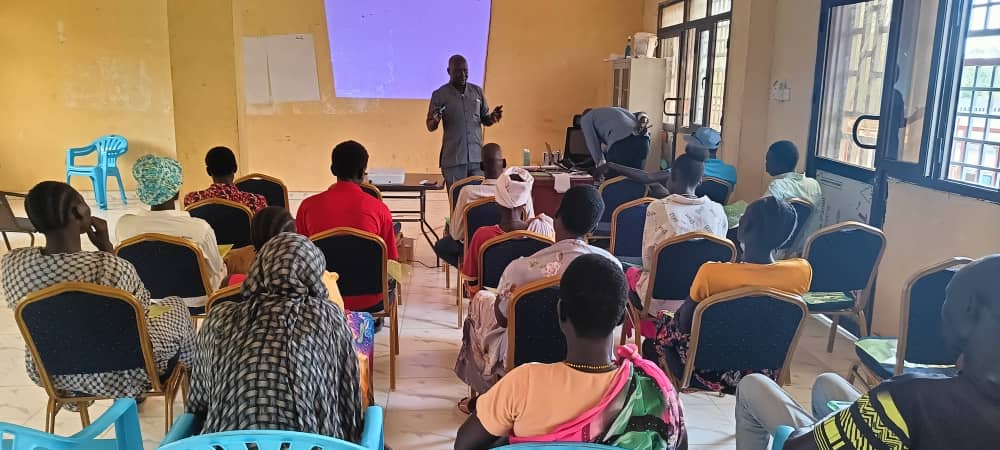
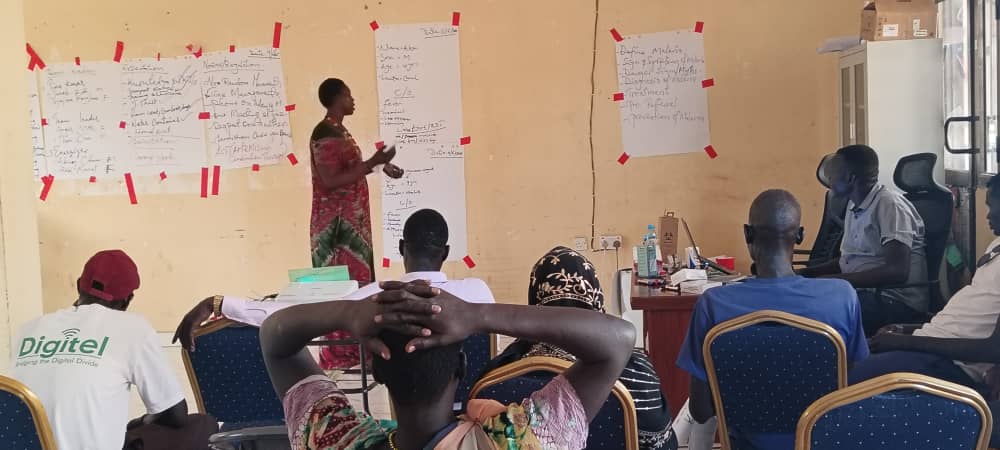
The training will last for 5 days and will focus on the following core objectives

  • Deliver Community-Based Health Services to provide basic curative care for common illnesses such as Malaria, pneumonia and Diarrhea. Use of Rapid Diagnostic Tests (RDTs) for malaria and appropriate first-line treatments.
  • Promote Maternal, Newborn, and Child Health (MNCH) by educating and referring pregnant women for Antenatal and postnatal care, skilled birth attendance, promote exclusive breastfeeding, immunization, and infant nutrition.
  • Support Health Education & Behavior Change by teaching communities about Hygiene and sanitation (WASH), family planning and reproductive health, Nutrition and breastfeeding, Cholera and other outbreak-related health behavior, Conduct home visits and group education sessions.
  • Early Identification and Referral of Health Conditions. Recognizing danger signs in Children (fever, cough, dehydration) and Perinatal women and facilitate timely referral to the nearest health facility.
  • Train BHWs on epidemiological Health intelligence systems and Vital Statistics to record births and deaths, Detect and report notifiable diseases outbreak and Support early warning systems for communicable diseases.
  • Community Engagement and Trust Building by developing communication skills to engage respectfully with community members. Promote inclusive care—respecting gender, disability, and cultural norms and act as a trusted liaison between the health system and the local population.
  • BHWs will be trained on accurate Record-Keeping and Reporting. How to utilize standardized Community Health Management Information System (CHMIS) tools and Ensure data flows to Payam and County Health Departments.

The Boma Health Initiative is delivering a simple but profound truth: training local people saves lives. By embedding health knowledge and services within communities.